In modern dentistry, the importance of intraoral scanner in dentistry cannot be overstated. An intraoral scanner is a small, handheld device that creates digital dental impressions of your teeth and gums. Instead of using messy molds, dentists now use this advanced dental technology to capture accurate images quickly. As a result, patients enjoy better comfort and faster visits. Digital dentistry tools like intraoral scanners offer many benefits, making dental care easier and more precise for everyone. In this blog, we will explore the benefits of intraoral scanners, their uses, and how they improve the patient experience.
What is an Intraoral Scanner?
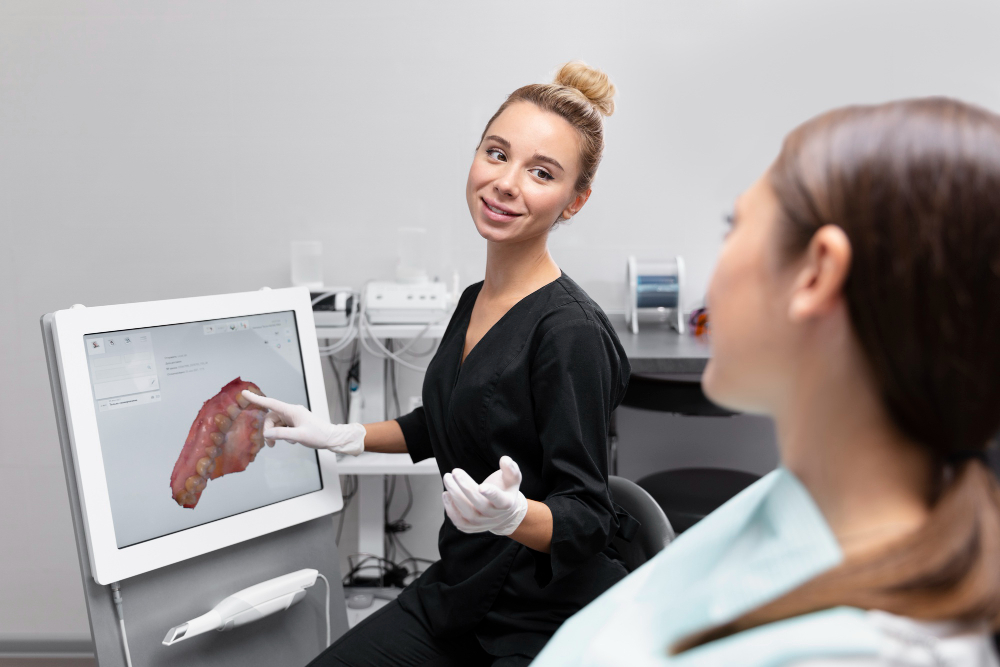
An intraoral scanner is a digital device used by dentists to take pictures inside your mouth. It uses a small camera to scan your teeth and gums. Then, the scanner creates a 3D digital model on a computer. This model helps dentists plan treatments and make dental appliances like crowns or braces. Because the scanner is small and gentle, it fits easily in your mouth. Many dental offices in the United States now use intraoral scanners as part of their modern dental care.
Benefits of Intraoral Scanners
There are many benefits of intraoral scanners for both patients and dentists. First, these devices provide improved accuracy. The digital images are very clear, so dentists can spot problems early. In addition, patients feel more comfortable because there is no need for sticky impression materials. The process is also much faster, which means less time in the dental chair. Furthermore, the digital workflow allows dentists to send scans directly to dental labs, speeding up the process for crowns, bridges, and other treatments. Overall, intraoral scanners make dental visits smoother and more pleasant.
How Intraoral Scanners Are Used in Dental Procedures
Intraoral scanners are used in many dental procedures. For example, they help dentists create crowns and bridges by capturing exact shapes of your teeth. In orthodontics, scanners are used to plan braces or clear aligners. Dentists also use them for dental implants, making sure the fit is perfect. Additionally, intraoral scanners are helpful in monitoring changes in your mouth over time. Because the scans are digital, dentists can easily compare results from different visits. This technology supports better oral health for patients everywhere.
Patient Experience with Intraoral Scanners
For patients, intraoral scanners make dental visits much easier. Instead of biting into a tray filled with goo, you simply open your mouth while the dentist scans your teeth. This process is quick and gentle. Many people feel less anxious because there is no mess or discomfort. Also, the digital scans mean fewer repeat visits, as the results are more accurate the first time. As a result, patients get faster treatment and better results. In short, intraoral scanners improve the dental experience for everyone.
Comparing Intraoral Scanners to Traditional Impressions
Future of Intraoral Scanners in Dentistry
Looking ahead, intraoral scanners will continue to change dental care. New features are being added, such as better image quality and faster scanning. As technology improves, dentists can offer even more precise treatments. In addition, digital dentistry will help make dental care more accessible and efficient for patients everywhere. According to the American Dental Association, these tools are shaping the future of oral health technology.
If you want to enjoy a more comfortable and efficient dental visit, ask your dentist about intraoral scanners. Consult your dentist to learn how intraoral scanners can improve your dental care.